


In Quibdó, the Empatía Chocó Foundation supports community initiatives that advance women’s rights, violence prevention, and youth leadership. Its work demonstrates how young women in the territory strengthen the social fabric and contribute to peacebuilding in a region scarred by decades of armed conflict.
In territories such as Chocó, where armed conflict, urban violence, and deep social inequalities still shape everyday life, women’s leadership has become a fundamental element of peacebuilding. The Women, Peace and Security agenda, advanced by United Nations Security Council Resolution 1325, recognizes the essential role of women in preventing violence, protecting communities, and rebuilding the social fabric in contexts marked by conflict. In these contexts, addressing women’s rights also means addressing peacebuilding, violence prevention, and opportunities for future generations.
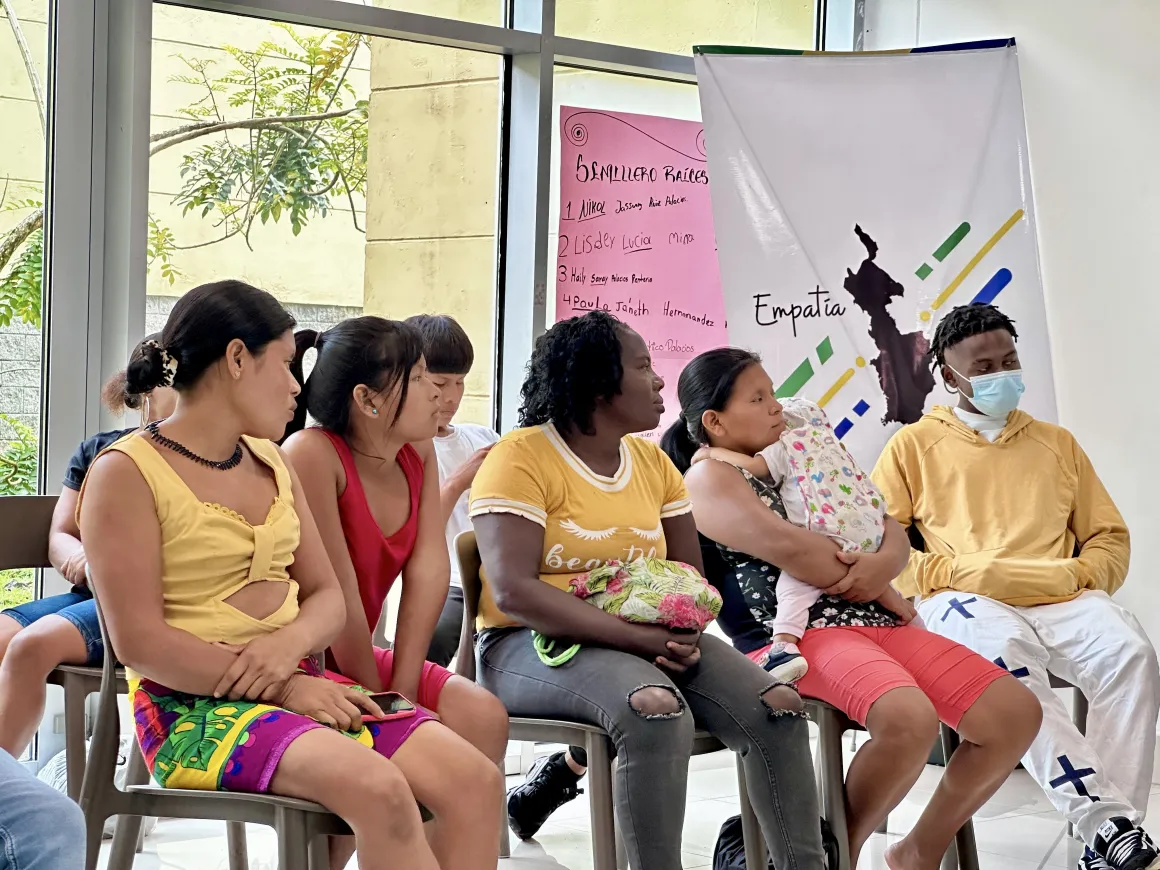
The United Nations Verification Mission in Colombia, having a cross-cutting gender mandate within its monitoring of the implementation of the Peace Agreement, supports and highlights community initiatives that contribute to strengthening the social fabric and creating safer spaces for women, children, and adolescents, helping communities overcome the decades-long armed conflict that has devastated the region.
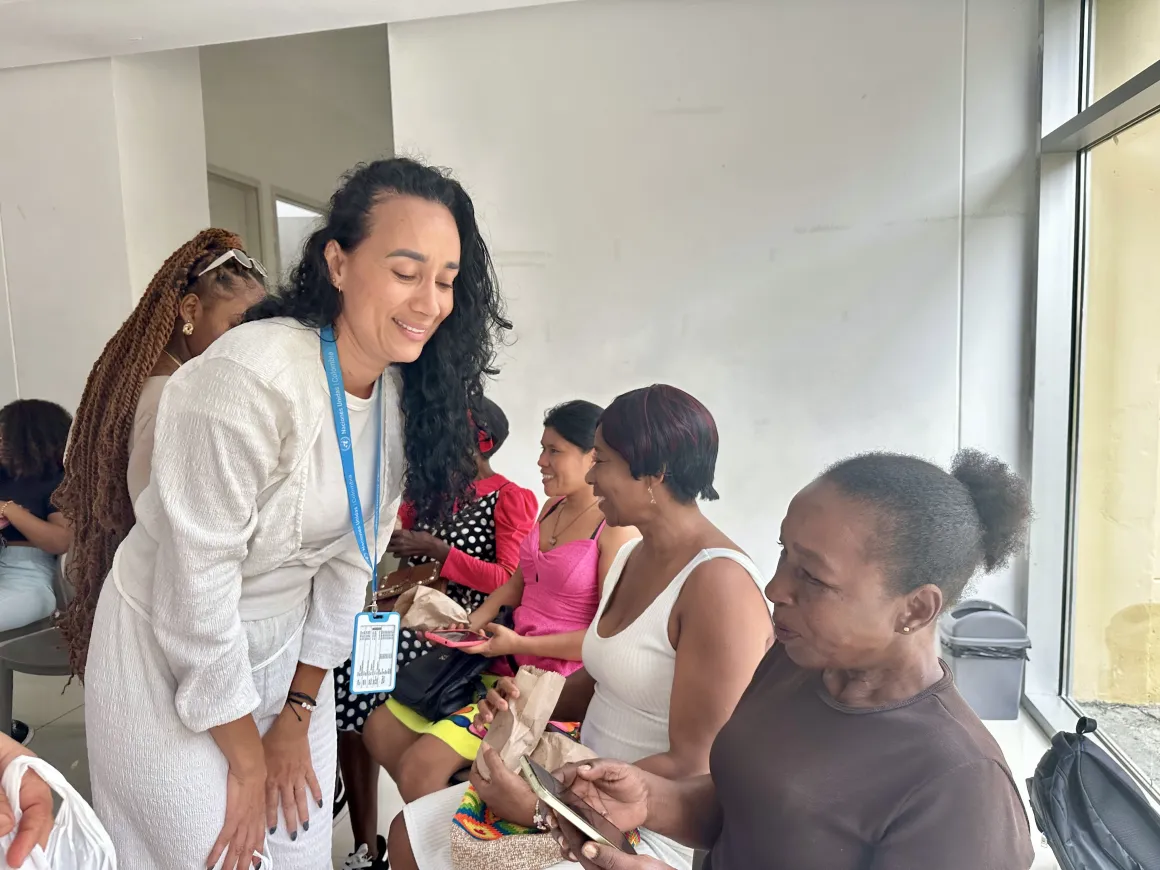
It is in this context that the Fundación Empatía Chocó, a Quibdó-based organization, was born. Today, it advances psychosocial support processes, human rights education, and violence prevention across several neighbourhoods in Quibdó, where the armed conflict has left profound scars that still impact daily life.
Empatía Chocó's history began long before its formal establishment. Its origins date back to 2012, when a group of young people, mostly psychology and social work students, began training in psychosocial tools to support women survivors of sexual violence in the context of the armed conflict.
“We learned and applied our knowledge at the same time,” recalls Lesty Palacios Palacios, psychologist and director of the organization. While undergoing training, they also led workshops for children and adolescents on human rights, risk prevention, and the prevention of forced recruitment in at-risk neighbourhoods in Quibdó. The work with women survivors of violence focused on providing psychosocial support and creating safe spaces for them to share their experiences.
Over the years, their volunteer work gradually built a network of trust within the communities. During the pandemic in 2020, the group decided to strengthen its organization and began working in a more structured manner under the name Gestoras del Chocó, a collective of young women committed to protecting the rights of women and children. Finally, in December 2023, they took the final step toward formalizing their work. After several months of paperwork and administrative procedures, the Empatía Chocó Foundation was officially established on 12 June 2024.
When naming the organization, its founders deliberately chose a word that encapsulated the spirit of their work. “We wanted a name that captured what we strive for in the territory: to change the way we treat each other, to understand one another, and to build more humane relationships,” explains Lesty. Thus, empathy became the core principle guiding their actions.
For Luz Elena Mosquera Cuesta, a 28-year-old social worker and member of Empatía Chocó born in Medio Atrato, the organization represents the opportunity to transform the lessons she learned through previous youth leadership and social work initiatives in the territory into community action. “Being part of Empatía means contributing to the wellbeing of communities through psychosocial support and peacebuilding,” she points out.
The organization has created community-based initiatives mainly focused on preventing violence, strengthening youth leadership, and advancing the rights of women, girls, and adolescents. In one of its first initiatives, the organization, supported by UNICEF, worked with children from the Kennedy neighbourhood in Quibdó, using football as a pedagogical tool to teach values, peaceful coexistence, and human rights.
Following this experience, Empatía Chocó expanded its community work across several neighbourhoods in Quibdó, incorporating cultural, artistic, and educational activities. Supported by funding from the Ministry of Culture, the organization developed the Relevo Generacional (“Generational Renewal”) initiative in 2024, a training program that brought together children from neighbourhoods like Kennedy, Santo Domingo, Buenos Aires, and La Victoria.
In these spaces, participants learned about traditional medicine, medicinal plants, ancestral songs, and the cultural practices of the territory. The purpose of these spaces was to strengthen cultural identity as a key element of peacebuilding and violence prevention. “When children learn about their history and culture, they strengthen their self-esteem and sense of belonging,” explains Lesty.
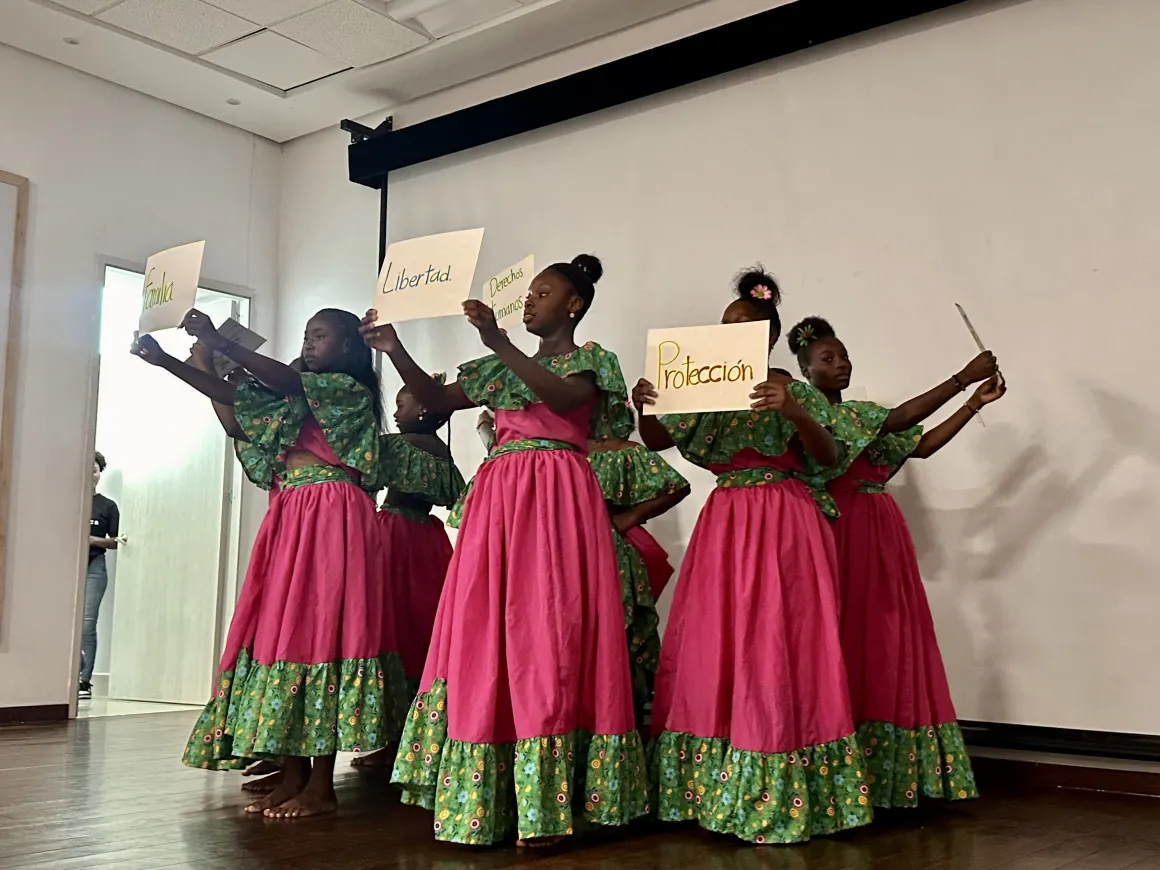
Liliana Puerto Hurtado, a 19-year-old social communications student and participant in community processes linked to Empatía Chocó and other organizations led by young people in the territory, says that these spaces have allowed her to strengthen her leadership skills and find a way to contribute to social change through art and culture. In her free time, she sings, dances, acts, and plays the guitar, activities that she now also understands as tools to build community ties and promote messages of peace among young people.
“I realized there are people who are still fighting for this cause and who want to do everything possible to bring about a change in society. And through my work, I also want to contribute,” she states.
Another remarkable initiative of the organization was the work carried out last year with adolescents from the José del Carmen Cuesta de Quibdó Educational Institution and young people from nearby neighbourhoods, where topics such as gender-based violence prevention, human rights, and life planning were addressed. Activities like theatre, music, writing, and artistic expression were used as tools for young women to reflect on their experiences and build new narratives about their future. The process concluded with a collective play titled Niñez y futuro cultural sin violencia (“A Childhood and Cultural Future Without Violence”), performed by the participants themselves at a community event held during last year’s Human Rights Day.
Women who found support in other women
In addition to its work with children and adolescents, Empatía Chocó closely accompanies the Red de Madres y Cuidadoras de Jóvenes Asesinados en Quibdó (“Network of Mothers and Caregivers of Murdered Young People in Quibdó”), a group of women who have lost their children in contexts of violence. This reality reveals one of the deepest wounds caused by the armed conflict in the region. The Truth Commission documented how, in regions like Chocó, violence against young people, including their recruitment and killing, has had a devastating impact on victims’ families, particularly on grieving mothers who strive to keep their children’s memory alive.
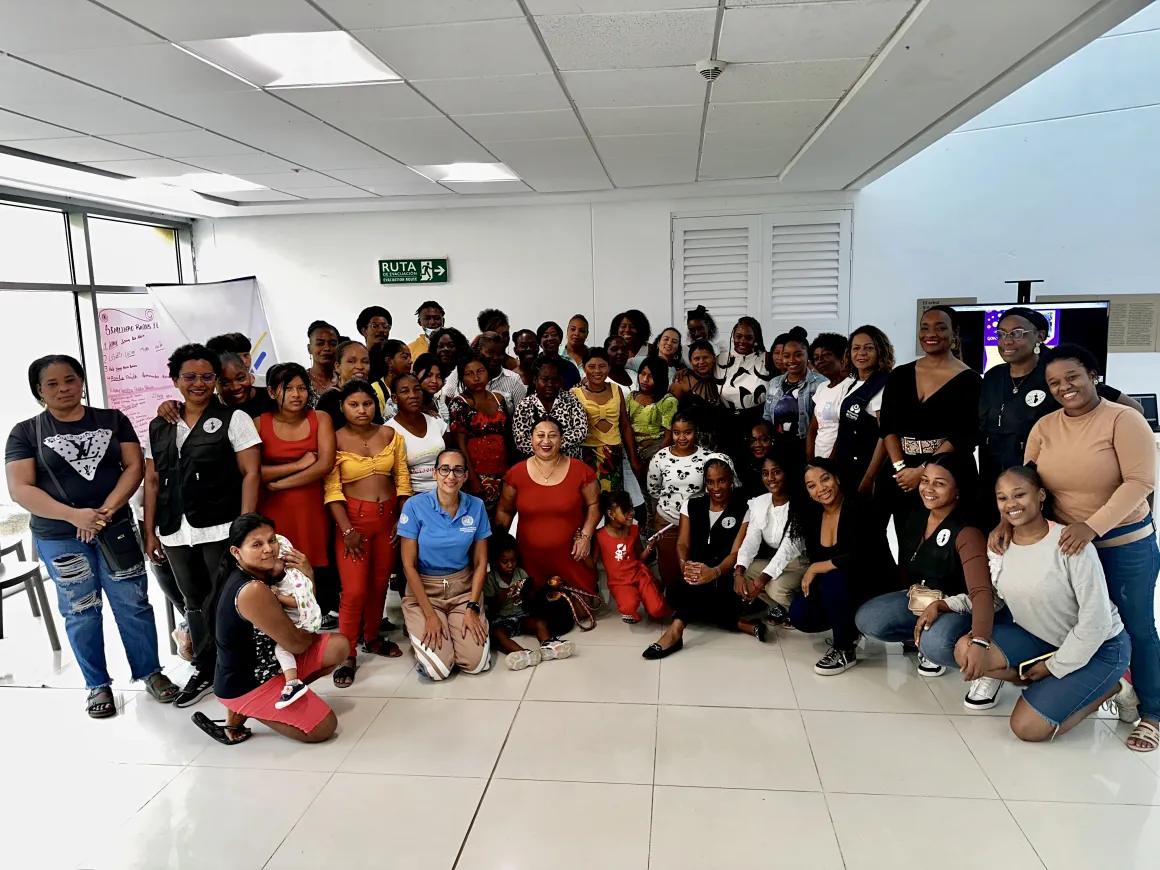
For many of them, these spaces have become a way to cope with grief and transform pain into community action.
According to them, one of the most important aspects of the process has been receiving support from women from the same territory, with whom they feel a sense of trust and closeness that allows them to speak about their pain, grief, and the violence they have experienced. Although the Network now operates with its own organizational structure, Empatía Chocó continues to provide psychosocial support and coordinate spaces to accompany mothers and caregivers.
Empatía Chocó’s work illustrates how peacebuilding also takes place in everyday settings: from workshops on rights with adolescent girls, to playing fields where children learn to solve conflicts without resorting to violence, to circles of women who support one another in coping with the pain of loss.
For Lesty Palacios and the members of the Foundation, the purpose remains to create opportunities for children and young people to envision a different future in contexts shaped by violence. “We know we cannot change everything overnight, but if we manage to help some children find a different path, that alone is a very important step,” she states.
Today, Empatía Chocó’s work demonstrates how young women from the territory continue to create spaces of support, leadership, and community participation in a region where building hope has also become a form of resistance.
Melissa Jaimes Ochoa
Public Information Officer - Regional Quibdo
UN Verification Mission in Colombia


