


On this farm in Valle del Cauca, 44 people—19 of them signatories to the Peace Agreement—are advancing a productive model that combines agroecology, fish farming, and solar innovation. With the support of several organizations, they are building a place of belonging, reconciliation, and sustainability in the territory that welcomed them.
On any given day, the agroecological farm El Astro may bring together researchers, public officials, members of international organizations, local community members, residents of Guacarí, Valle del Cauca, and signatories of the Final Peace Agreement.
One of them is Óscar Echeverri, an optimist at heart who, in 2017, shortly after the signing of the Agreement and driven by his commitment to its implementation, founded the Ceprodet Territorial Development Promotion Center. He did so in Miranda, Cauca, at the former Territorial Space for Reintegration of Monterredondo, where he began his reintegration into civilian life after laying down arms and committing to transforming realities through dialogue.
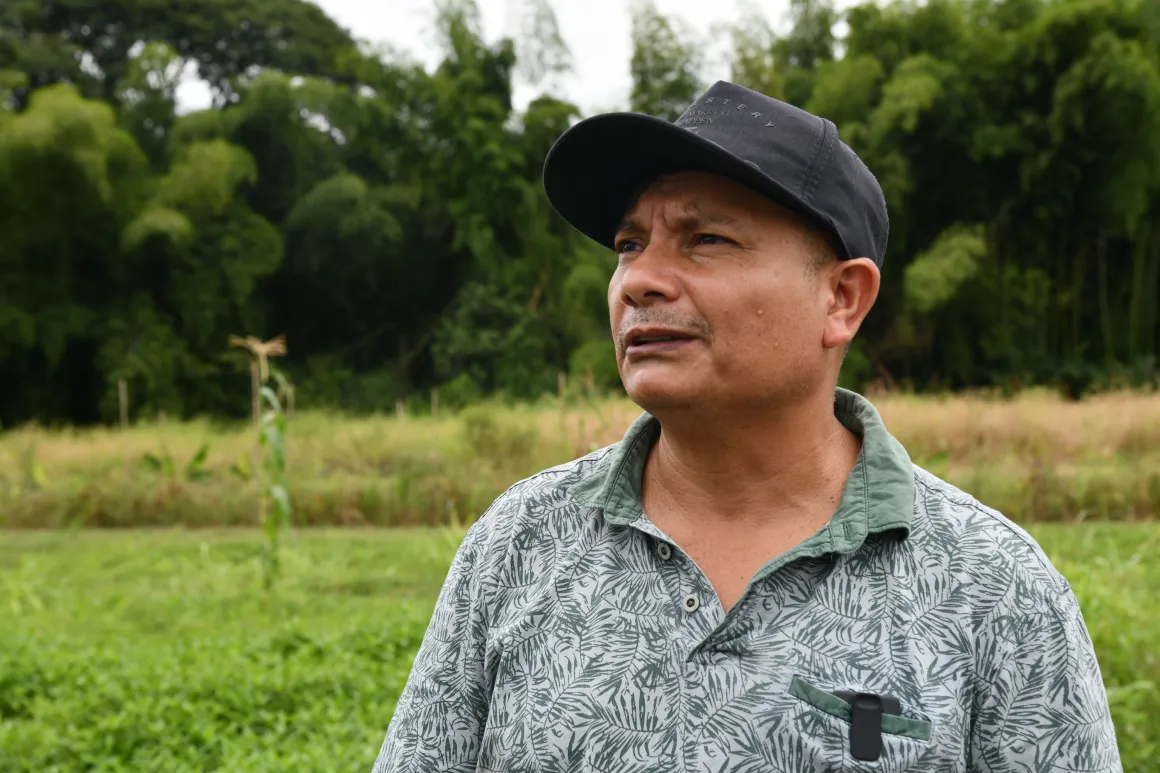
Under his leadership, efforts quickly began to yield results: together with other Peace Agreement signatories and with the support of the rural community, he set in motion several productive projects. Regrettably, that very visibility also came with security risks. Óscar began receiving increasingly frequent threats, forcing him and several of his peers to leave the territory.
Rather than giving up, he sought new opportunities. After a thorough search, he found a plot of land in Valle del Cauca that met the criteria needed to implement the productive project he was passionate about. Together with other Ceprodet partners, he mobilized resources to purchase land in the municipality of Guacarí and, once secured, they began reaching out to public and academic institutions, as well as international cooperation actors, to bring the project to life.
Agroecological farm
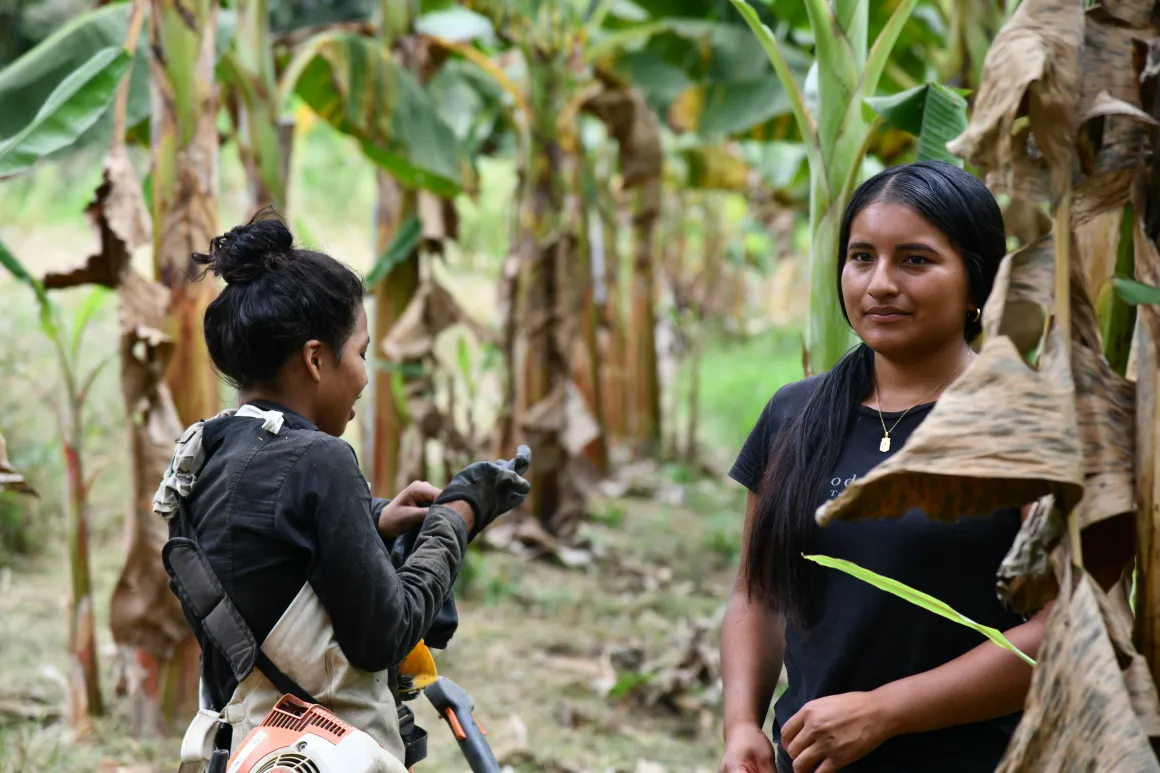
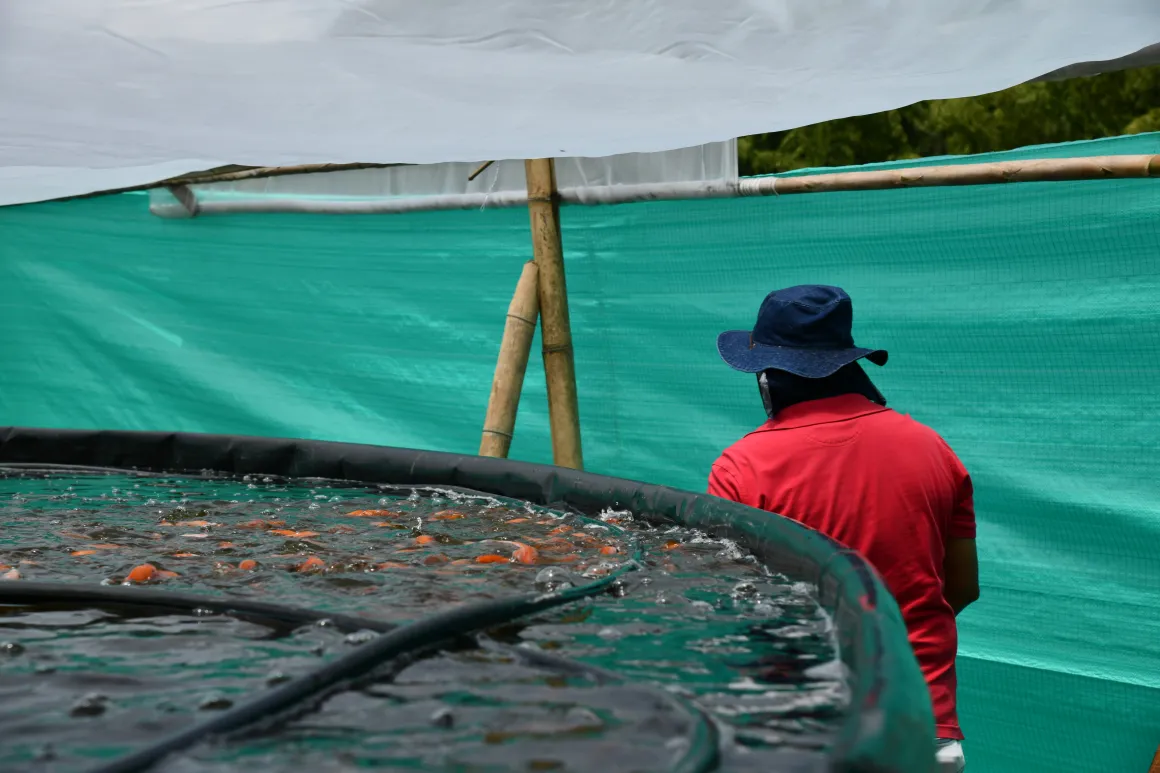
On the newly acquired land in Guacarí, El Astro farm was born. Today, the farm brings together 44 people—19 of them peace signatories—and has successfully engaged local and academic institutions, international cooperation actors, and neighboring communities. Together, they have consolidated an agroecological farm that includes three fish-farming ponds, with a production capacity of up to two tons of fish every seven months, as well as two hectares dedicated to corn, cassava, plantain, citrus fruits, and an agroecological garden. Moreover, they are diversifying their production by raising 50 free-range hens for egg production.
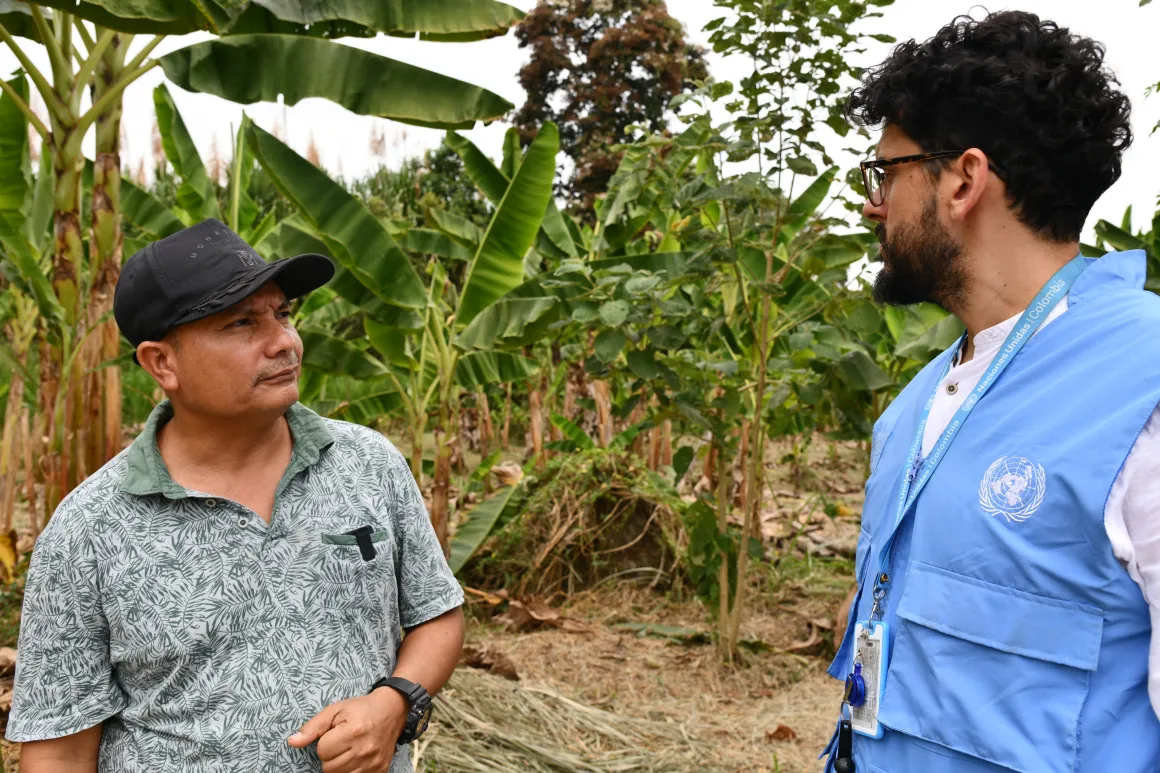
The road has not been easy, but they have not walked it alone. The Javeriana University of Cali, together with the Catalan Association for Peace, supported the process from its early stages in Miranda and continued to do so in Valle del Cauca. Tandem Social, a Barcelona-based cooperative, later joined this alliance, with funding from the Spanish Agency for International Development Cooperation (AECID), alongside the ongoing support of the Agency for Reintegration and Normalization (ARN). Together with the regional government and academic institutions, these organizations have helped advance the initiative toward a sustainable production model that generates income, strengthens the social fabric, and promotes reconciliation.
Marta Dalmau, a staff member at Tandem Social, has been supporting Ceprodet members with the aim of strengthening their organizational processes, namely, their management capacities and productive model, in pursuit of socioeconomic sustainability. “As international organizations, our role is to support these processes and show that initiatives driven by peace signatories are meaningful, scalable, and sustainable in the long run,” she notes.
Innovation and socio-environmental sustainability
New opportunities emerged from the partnerships fostered by the United Nations Verification Mission, responsible for verifying the social, political, and economic reintegration of peace signatories in the country, and for closely supporting this project. One such opportunity arose when the initiative won a call for proposals under the Valle Inn program of the Valle del Cauca Governor’s Office, designed to strengthen productive projects developed by peace signatories. With these resources, along with additional funding provided by the AECID and the Catalan Agency for Development Cooperation, Óscar and his colleagues built fish-farming tanks and installed solar panels to oxygenate them, reinforcing their commitment to innovation and environmental sustainability.
One of El Astro farm’s key goals is to consolidate a sustainable production and commercialization cycle. Fertilizer for plantain, cassava, papaya, corn, and beans is made from waste produced by the fishponds, thereby completing a cleaner production cycle. This group aims to ensure that all products from the farm are sold within the same municipality. To this end, work is already underway to build a restaurant that will maximize the use of each harvest.
Evelio Ruiz, an agricultural worker and member of Ceprodet, coordinates this initiative, which is supported by the Catalan Agency for Development Cooperation: “We are located within a highly touristic commercial triangle,” he says enthusiastically, hopeful about welcoming many customers in the future. Evelio is trained in fish and pig farming and is currently overseeing the construction of the restaurant.
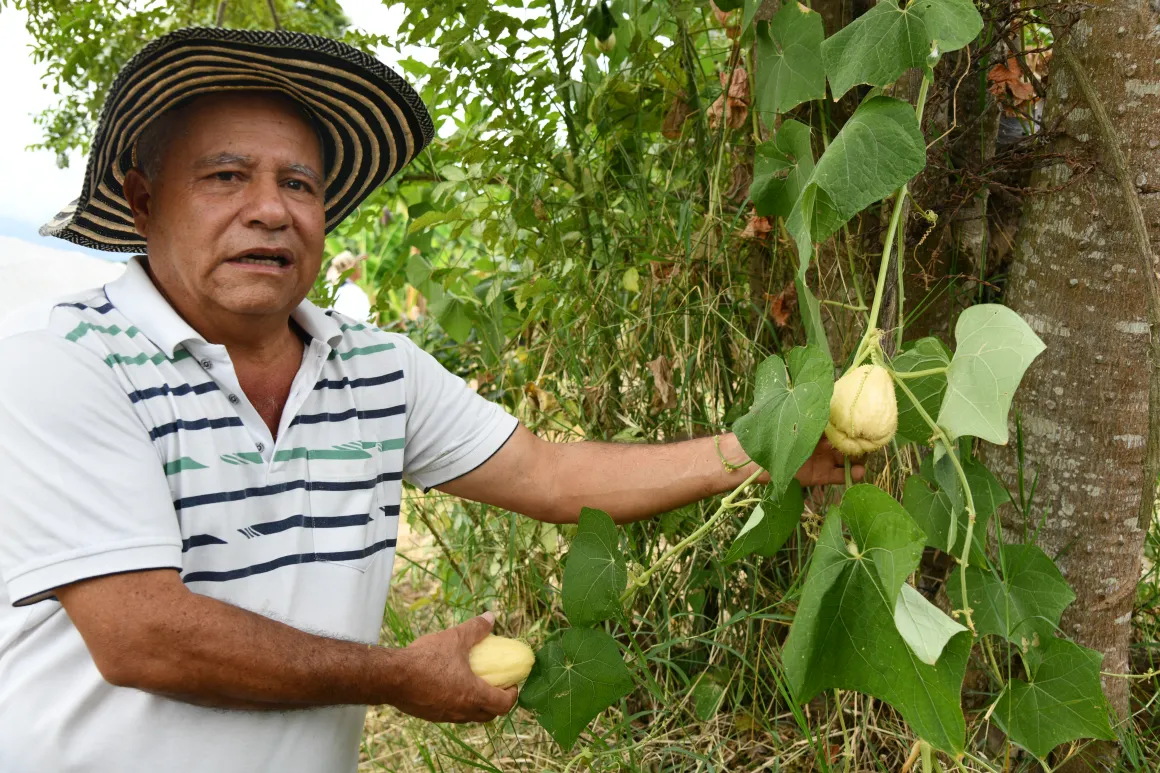
Edilberto Vergara, a researcher of the Institute of Intercultural Studies at the Javeriana University of Cali, has been working with the group since 2019. He recalls that, in Miranda, the process initially focused on administrative and agroecological training, working with rural and peace signatory organizations. Today, now settled in Valle del Cauca, the initiative is advancing toward technological innovation, peacebuilding, the strengthening of the social fabric, and building bridges for dialogue.
“Since the signing of the Agreement, the Javeriana University has stepped in to support its implementation, as we strongly believe that reconciliation processes are possible. The country needs to leave violence behind,” Edilberto notes. His work centers on fostering educational and training spaces that connect conflict victims, institutions, and the private sector.
Drawing on his everyday experience, Evelio Ruiz highlights how innovation, clean production, profitability, and community development can go hand in hand. He speaks with a sense of fulfillment about how, through community announcements, integration events, and the hiring of local labor, they have built strong ties with the community and successfully commercialized several products. At the same time, they continue learning how to operate the solar panels, generate increasing amounts of energy, and, in the future, bring new fish-farming tanks into operation.
Working with the community
For Óscar, the acceptance of the local community has been crucial: “Many people are familiar with our processes, and the support of families in the region has helped us move forward,” he notes with a smile, recalling his arrival in the new municipality after having faced threats to his life.
“One of the main strengths of this territory lies in its people. We feel part of this community. Having a sense of belonging is fundamental, which is why we have sought to integrate with the residents of Guacarí by involving them in agricultural activities in the farm and compensating them for their work. The opportunities we create must be shared. It is about how we can help build peace from the territory,” he emphasizes.
Óscar, who has led the group since its inception, also underscores the importance of remaining active and continuing to build skills. He proudly shares that he is studying law and is currently in his fifth semester, driven by the desire to gain knowledge to better support communities.
Óscar and Ceprodet’s story clearly illustrates how reintegration is moving forward in Colombia, and how Peace Agreement signatories and rural communities are working hand in hand to turn the promise of peace into reality. Like Óscar, more than 11,000 signatories continue to advance in their reintegration process, supported by the Agency for Reintegration and Normalization (ARN) and by the ongoing accompaniment and verification of the United Nations Mission in Colombia.
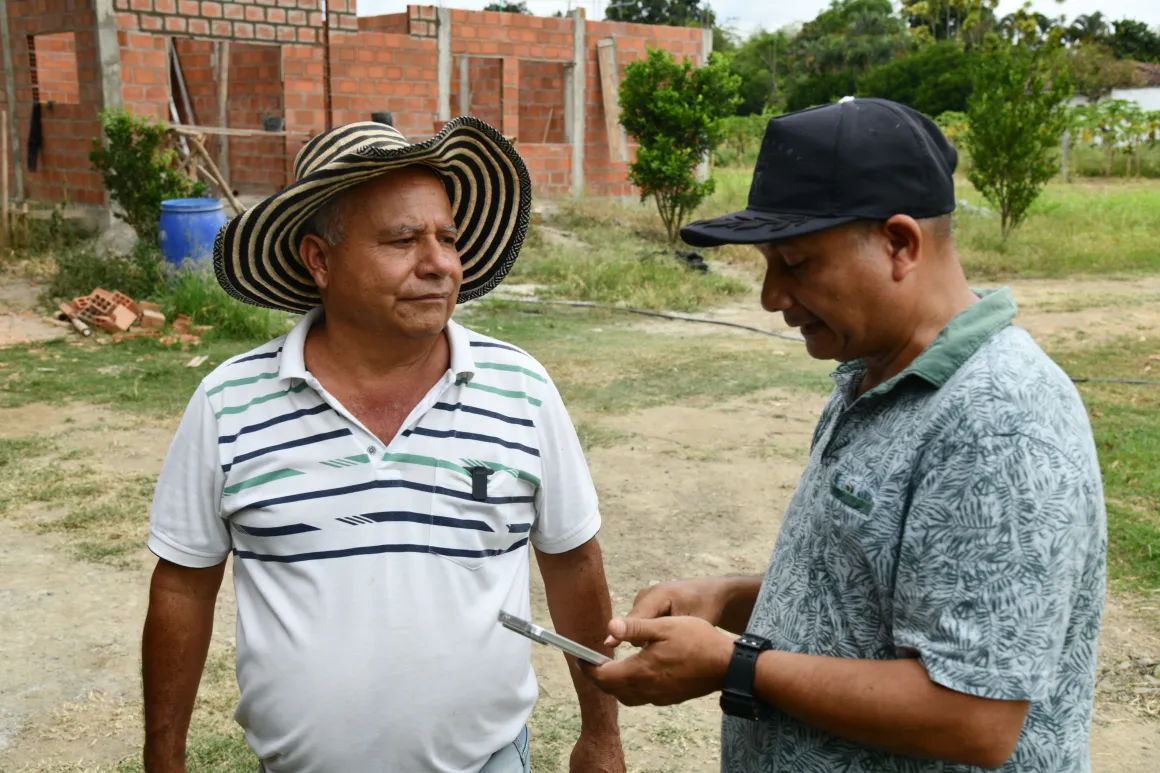
In a recent report, the United Nations Secretary-General, António Guterres, noted that a community-based approach to the reintegration of former combatants is fundamental to consolidating peace and ensuring long-term stability in Colombia. In it, he stressed the importance of focusing on access to land, housing, and the socioeconomic sustainability of the productive activities of the signatory population, regardless of where they live. This is particularly relevant for projects like Óscar’s, which operate outside the Territorial Areas for Training and Reintegration (ETCRs). Today, according to the same report, 85 per cent of peace signatories live outside these spaces.
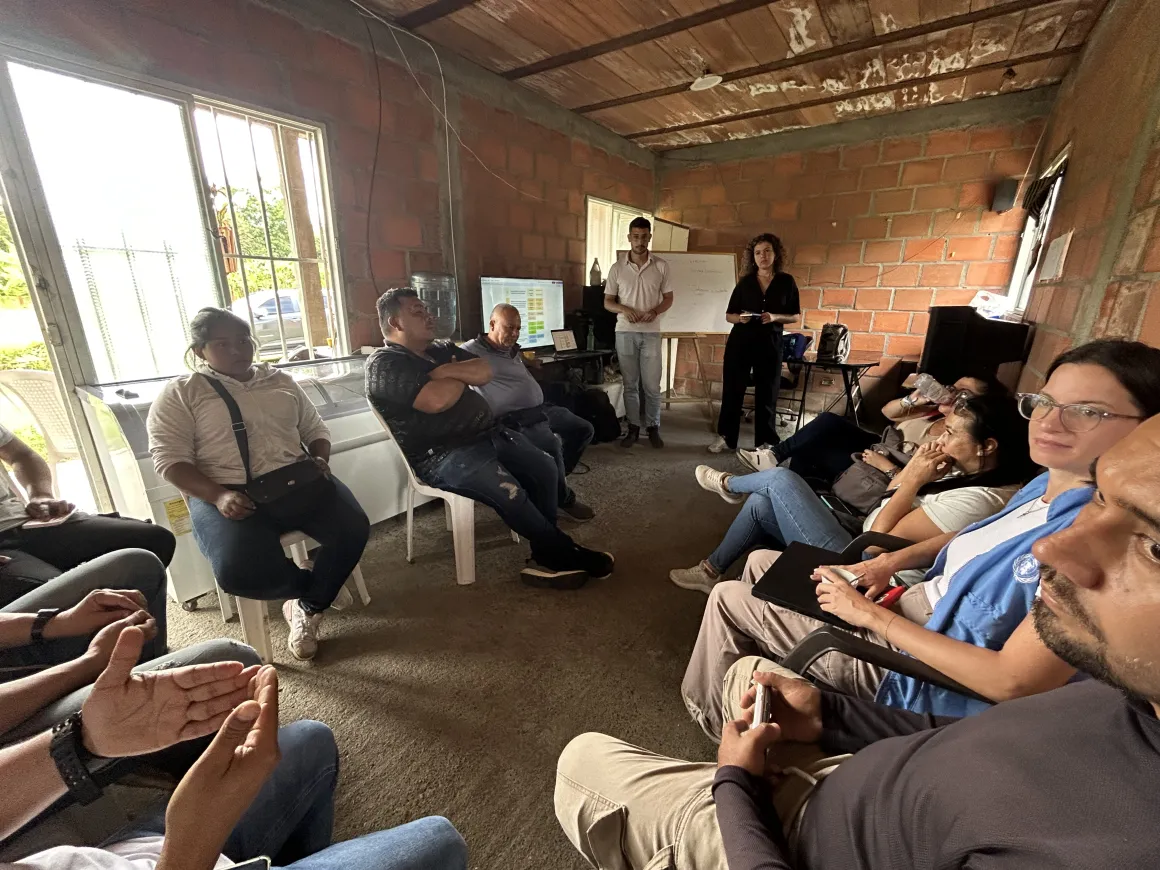
Furthermore, the Secretary-General called upon the Government to “work during its remaining months in office to expedite this process, ensuring that commitments are fulfilled and that former combatants are placed on a more solid foundation for fully integrating into civilian life with dignity and security.”
When asked about a final message for those who come to know his story, Óscar sighs, pauses for a few seconds, and offers a heartfelt reflection: “I know it is hard to talk about peace and reconciliation amid the violent realities that persist in Colombia, but what matters most is not giving up and holding on to hope. These communities embody the spirit of resilience and resistance transformed into action. And that action, at some point, will contribute to building the peace and reconciliation Colombians so deeply yearn for.”
By: Nadya González
Strategic Communications Officer – Cali Regional Office
United Nations Verification Mission in Colombia


